Archives
- 2026-10
- 2026-09
- 2026-08
- 2026-07
- 2026-06
- 2026-05
- 2026-04
- 2026-03
- 2026-02
- 2026-01
- 2025-12
- 2025-11
- 2025-10
- 2025-09
- 2025-03
- 2025-02
- 2025-01
- 2024-12
- 2024-11
- 2024-10
- 2024-09
- 2024-08
- 2024-07
- 2024-06
- 2024-05
- 2024-04
- 2024-03
- 2024-02
- 2024-01
- 2023-12
- 2023-11
- 2023-10
- 2023-09
- 2023-08
- 2023-06
- 2023-05
- 2023-04
- 2023-03
- 2023-02
- 2023-01
- 2022-12
- 2022-11
- 2022-10
- 2022-09
- 2022-08
- 2022-07
- 2022-06
- 2022-05
- 2022-04
- 2022-03
- 2022-02
- 2022-01
-
Collectively these observations demonstrate that FAAH is fun
2022-01-06
Collectively, these observations demonstrate that FAAH is functionally positioned to modulate the actions of AEA and other NAEs on BLA neurons and anxiety processes mediated by this region. By extension, manipulations that lead to alterations in FAAH activity, such as stress or administration of com
-
In neurons and neuroendocrine cells the productive
2022-01-06
In neurons and neuroendocrine cells, the productive fusion pathway is thought to initiate with the Munc18-1/Syx1 complex (Ma et al., 2013, Hughson, 2013, Lai et al., 2017). The Munc13-1 MUN domain is able to catalyze opening of Syx1 (the transition from the Munc18-1/Syx1 complex to the SNARE complex
-
RN 1734 br Funding The research for this
2022-01-06
Funding The research for this paper is conducted as part of a PhD thesis at Pasteur Institute of Iran and it was financially supported by Pasteur Institute of Iran and the Iranian Centre for Communicable Diseases. Conflict of interest Acknowledgments Introduction The viral enzyme integr
-
br Conclusion br Acknowledgement br Introduction Biogenic am
2022-01-06
Conclusion Acknowledgement Introduction Biogenic amine histamine is synthesized from L-histidine by histidine decarboxylase (HDC). Histamine is involved in a wide variety of pathological and physiological processes including allergic reactions, inflammation, immune responses, gastric secret
-
GSK dimethylpiperidin yl butoxy phenyl piperidine carbonyl n
2022-01-06
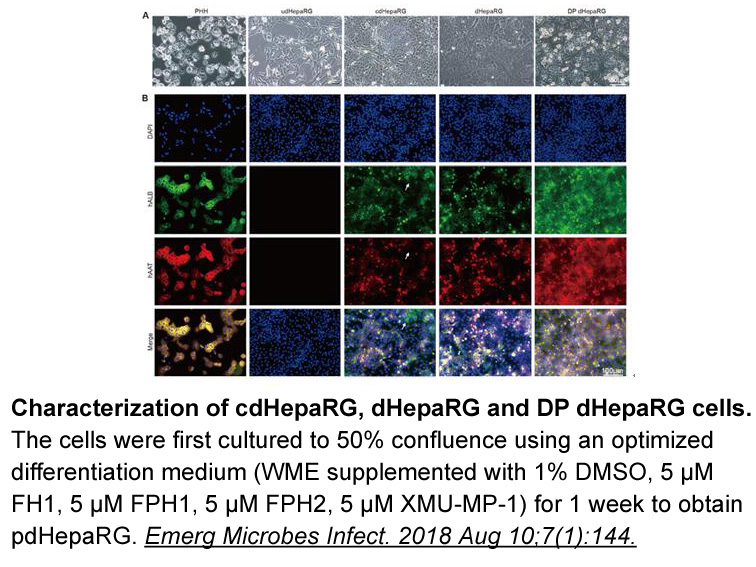
GSK-835726 (3-[4-[4-[4-[4-(3,3-dimethylpiperidin-1-yl)butoxy]phenyl]piperidine-1-carbonyl]naphthalen-1-yl]propanoic acid) is a dual H1/H3 receptor antagonist with the potential to be used in allergic rhinitis. Likewise GSK-1004723, the drug-likeness criteria have not been passed by this drug candida
-
br Conclusion br Disclosure of interest br
2022-01-05
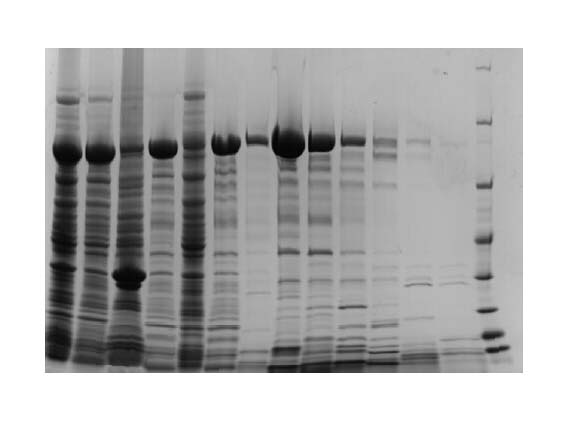
Conclusion Disclosure of interest Acknowledgement Introduction Vitamin B6 has long been recognized as a cofactor for many enzymes, especially those involved in amino Flutamide metabolism. Apart from its role as coenzyme, recent studies are unveiling a new role of vitamin B6 as a chemopre
-
Our study has strengths and limitations We believe
2022-01-05
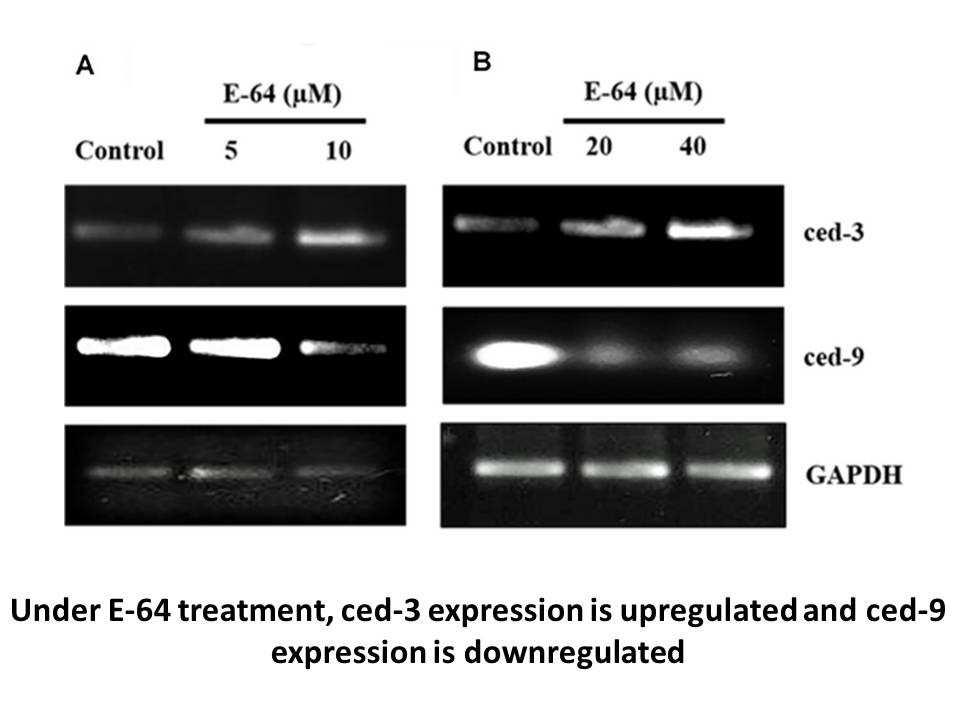
Our study has strengths and limitations. We believe we are the 1st to report a novel model of secondary hypogonadism. Several animal models for hypogonadotropic hypogonadism (kisspeptin and the kisspeptin receptor knockout) exist but we are unaware of animal models of secondary hypogonadism with dif
-
Using embelin and its analogs as surrogate GPR agonists we
2022-01-05
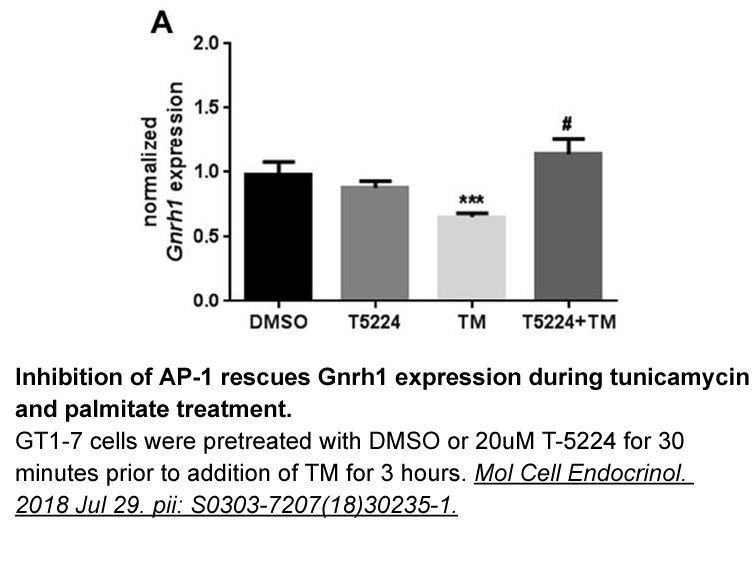
Using embelin and its analogs as surrogate GPR84 agonists we discovered that GPR84 couples to G12 and G13 signaling pathways in addition to Gi, linking receptor function to Rho/Rac signaling and modulation of the cytoskeleton. In primary human macrophages, GPR84 activation leads to Gβγ signaling, Er
-
Biochemical assays have provided evidence that prolonged exp
2022-01-05
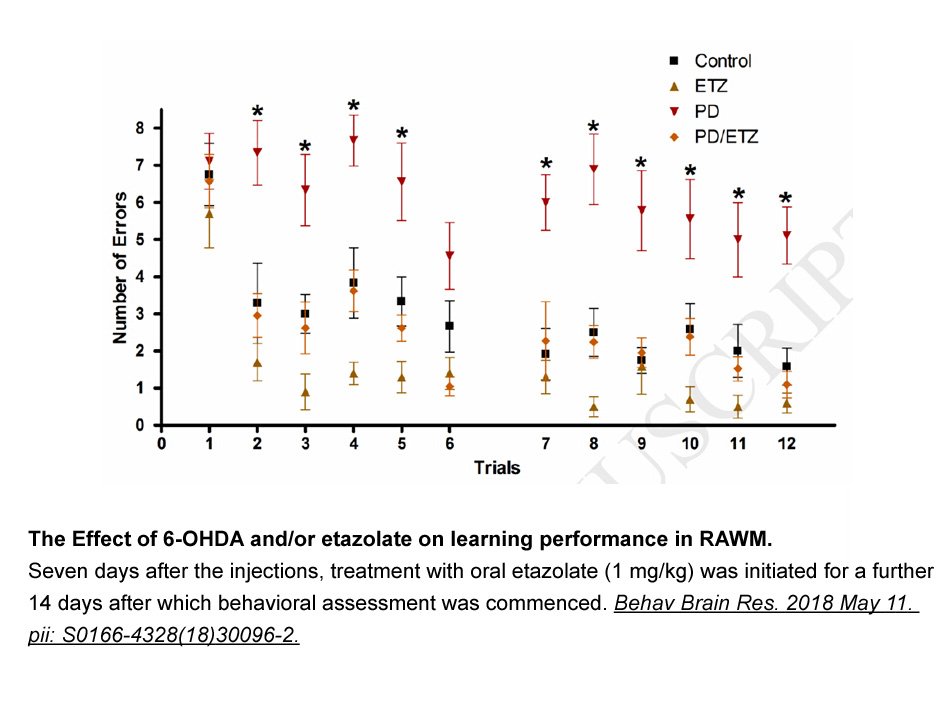
Biochemical assays have provided evidence that prolonged exposure to GPR35 agonists can induce GPR35 internalization [2], [4], [11], [13]. Our finding that neuronal excitability decreased regardless of whether the slices were superfused for a few minutes or incubated for a few hours with GPR35 agoni
-
br FFA GPR was deorphanised as the second receptor for
2022-01-05
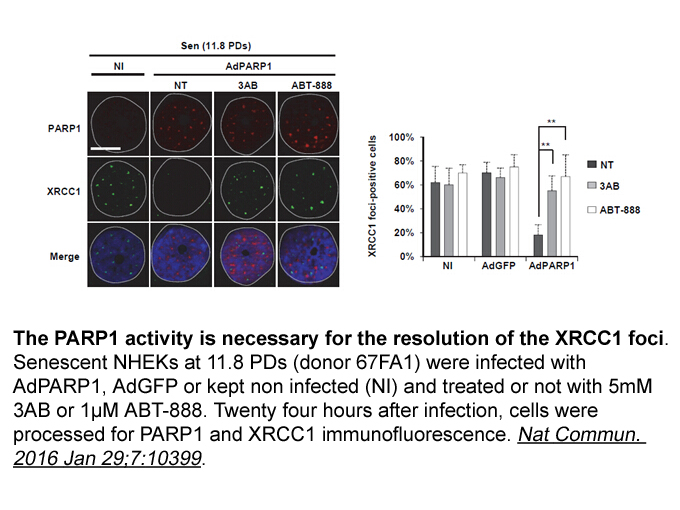
FFA4 GPR120 was deorphanised as the second receptor for long-chain fatty acids in 2005 [5]. Initial focus highlighted expression in the lower gut, the capacity of unsaturated fatty acids to promote release of the incretin glucagon-like peptide-1 (GLP-1) from the enteroendocrine cell line STC-1, a
-
Free fatty acid receptor FFAR also
2022-01-05
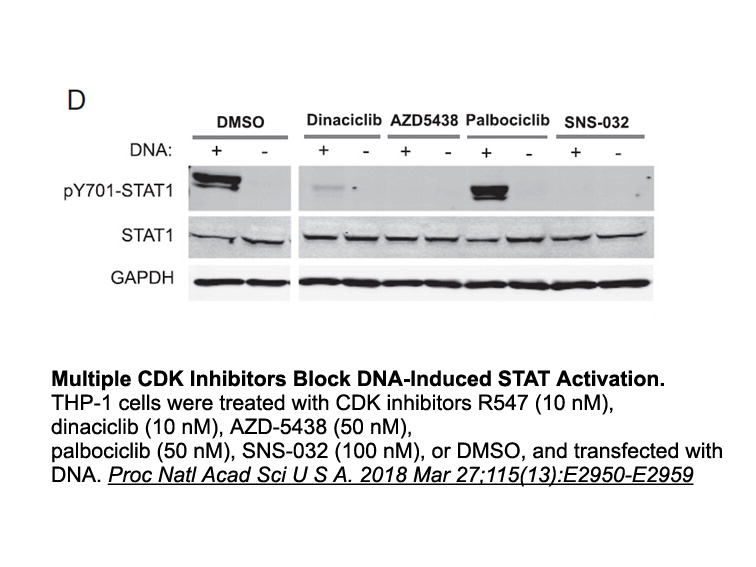
Free fatty ITD 1 mg receptor 1 (FFAR1, also known as GPR40) belongs to the family of G protein-coupled receptors (GPCRs) and was de-orphanized in 2003 as a receptor for medium-to long-chain free fatty acids (FFAs) [9,10]. Mainly expressed in beta cells of pancreatic islets, GPR40 can be activated b
-
MRT68921 receptor br Ca influx through glutamate receptors i
2022-01-05
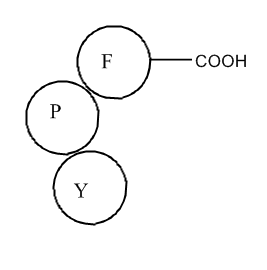
Ca2+ influx through glutamate receptors is thought to play a critical role in synaptogenesis and in the formation of neuronal circuitry during early development[45]. Because AMPA receptors might contribute to these processes, particularly at times and in cells in which NMDA receptor expression is
-
br Spatial working memory is GluR A dependent The
2022-01-05
Spatial working memory is GluR-A-dependent The radial maze task also allowed us to study hippocampus-dependent spatial working memory. On spatial working memory tasks, the correct spatial response that the animal must make varies from trial to trial and is dependent on some conditional, trial-spe
-
br Acknowledgements br Introduction High intensity noise exp
2022-01-05
Acknowledgements Introduction High-intensity noise exposure has long been known to induce damage in the peripheral and central auditory system, often resulting in auditory pathologies such as hearing loss, tinnitus and hyperacusis (Syka, 2002; Roberts et al., 2010). Within the inner ear, struc
-
Apoptosis Inhibitor receptor Interruption of glucagon signal
2022-01-05
Interruption of glucagon signaling pathway targeting glucagon receptor (GCGR) by gene knockout, antisense oligonucleotides or specific antagonists induces α-cell hyperplasia and alleviates hyperglycemia and other metabolic symptoms in diabetic animals and patients [[7], [8], [9]]. Here we used a ful
8057 records 535/538 page Previous Next First page 上5页 531532533534535 下5页 Last page